Aquatic & Terrestrial Pollution
Unit Eight
Pollution is any harmful substance introduced into the environment, impacting ecosystems and human health. There are two primary categories of pollution sources: Point Source and Nonpoint Source.
Key Distinction: Point Source is a single factory pipe emitting pollutants. Nonpoint Source can be runoff carrying pollutants from multiple locations into a waterway.
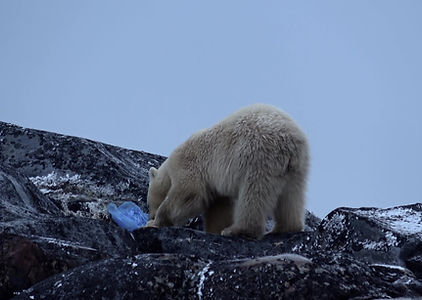
Sources of Pollution
Point Source Pollution
-
Definition: Pollution from a single, identifiable source.
-
Examples:
-
Smoke from a factory smokestack .
-
Untreated sewage discharged from a pipe.
-
Vehicle exhaust from a car
-
-
Characteristics:
-
Easily identifiable and easier to regulate.
-
Pollution is concentrated in a plume, making monitoring and cleanup more straightforward.
-
Nonpoint Source Pollution
-
Definition: Pollution from diffuse, untraceable locations.
-
Examples:
-
Fertilizer runoff during rain.
-
Smoke from wildfires.
-
-
Characteristics:
-
Difficult to identify and regulate due to its scattered origin.
-
A major contributor to surface water pollution.
-
Environmental Hazards:
Physical:
-
Naturally occurring processes that pose risks.
-
Ex: Fires, floods, blizzards.
Chemical:
-
Synthetic chemicals with adverse effects.
-
Ex: Hydrocarbons, lead, asbestos.
Biological:
-
Diseases caused by ecological interactions.
-
Ex: Viral infections, bacteria.
Cultural:
-
Hazards from behavior, location, or socioeconomic factors.
-
Ex: Smoking, noise pollution.

Human Impacts on Ecosystems
Aquatic organisms rely on specific environmental conditions. Changes to these conditions can cause stress, reduced growth, and even death. Scientists use various parameters to assess the health of aquatic ecosystems.
Zone of Tolerance
-
Definition: The range of environmental conditions an organism can survive in.
-
Indicator Species: Sensitive species that disappear first when ecosystems are stressed.
-
Graph: A bell curve showing optimal conditions in the middle, with extreme conditions at the edges.
Water Quality Monitoring
Key Factors:
-
Dissolved Oxygen (DO):
-
Higher in cooler waters.
-
Added by moving water and photosynthesis.
-
Removed during aerobic respiration.
-
-
Biological Oxygen Demand (BOD):
-
Measures oxygen needed by organisms.
-
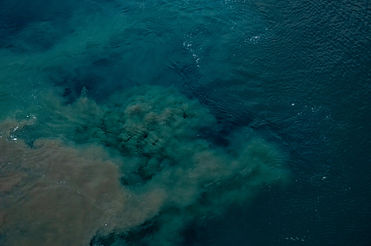
High BOD and low DO indicate hypoxic or anoxic conditions.
-
Endocrine Disruptors
Endocrine disruptors are chemicals that interfere with the body's hormone system (the endocrine system), causing developmental, reproductive, and systemic issues.
What is the Endocrine System?
The endocrine system consists of hormone-producing glands that regulate bodily functions. These include:
-
Pituitary gland: Produces hormones like ACTH and ADH.
-
Thyroid gland: Controls metabolism and growth.
-
Adrenal glands: Produce adrenaline and testosterone.
-
Ovaries and testes: Produce sex hormones like estrogen and testosterone.
Examples of Endocrine Disruptors
-
BPA: Found in plastic containers.
-
Triclosan: Used in antimicrobial products.
-
Dioxins: Byproducts of industrial processes.
-
PFAS: Used in nonstick pans and textiles.
-
Phthalates: Found in flexible plastics and cosmetics.
Impact on Ecosystems
Endocrine disruptors harm wildlife and humans:
-
Wildlife: Abnormal growth, reproductive issues, and altered gender traits (e.g., feminization in fish).
-
Humans: Increased risk of birth defects, reproductive disorders, and hormone-linked cancers.
Where Are Endocrine Disruptors Found?
These chemicals are present in many everyday items, including:
-
Plastics (e.g., BPA).
-
Pesticides
-
Personal care products (e.g., triclosan).
_edited_j.jpg)

Human Impacts on Wetlands and Mangroves

What Are Wetlands?
According to the EPA, wetlands are areas where water covers the soil all or part of the time.
-
Coastal/Tidal Wetlands: Found near estuaries, including mangroves adapted to high salinity.
-
Inland/Non-tidal Wetlands: Located near rivers, lakes, and ponds (e.g., swamps, marshes).
Importance of Wetlands
Wetlands provide critical environmental services:
-
Water filtration: Trap pollutants and nutrients.
-
Flood control: Absorb runoff and prevent flooding.
-
Habitat: Support diverse wildlife, including amphibians, fish, and birds.
Threats to Wetlands
-
Commercial Development: Filling wetlands for construction destroys habitats and flood controls.
-
Dam Construction: Diverts water, draining wetlands and reducing biodiversity.
-
Overfishing: Disrupts food chains and reduces biodiversity.
-
Pollutant Runoff: Introduces harmful chemicals, leading to issues like cultural eutrophication.

Eutrophication

-
Eutrophication: Excessive nutrients in water bodies leading to algal blooms and oxygen depletion.
-
Hypoxia: Low oxygen levels in water, often caused by eutrophication.
-
Dead Zone: Areas in water bodies with insufficient oxygen to support aquatic life.
Causes of Eutrophication
-
Nutrient Runoff: Excess nitrogen (N) and phosphorus (P) from fertilizers, sewage, and detergents.
-
Agricultural Practices: Use of synthetic fertilizers and improper waste management.
-
Urban Runoff: Nutrient-rich water from city landscapes entering rivers and lakes.
-
Industrial Discharges: Effluents containing organic materials and nutrients.
Effects of Eutrophication
-
Algal Blooms: Rapid growth of algae due to nutrient availability.
-
Blocks sunlight from reaching aquatic plants.
-
Reduces photosynthesis.
-
-
Oxygen Depletion: Decomposing algae consume dissolved oxygen (DO).
-
Leads to hypoxic conditions.
-
Suffocates fish and other aquatic organisms.
-
-
Biodiversity Loss: Dominance of algal species disrupts aquatic ecosystems.
-
Economic Impact: Decline in fisheries, tourism, and water quality.
Solutions to Eutrophication
-
Reduce Nutrient Inputs:
-
Use organic fertilizers and buffer zones around water bodies.
-
Improve wastewater treatment to remove nitrogen and phosphorus.
-
-
Manage Runoff:
-
Implement green infrastructure like rain gardens and retention ponds.
-
Promote soil conservation practices.
-
-
Control Algal Blooms:
-
Apply algaecides responsibly.
-
Use biological controls, such as introducing filter-feeding organisms.
-
Thermal Pollution
Thermal Pollution: Increase in water temperature due to human activities.
Thermal Shock: Sudden temperature changes that harm aquatic organisms.
Causes of Thermal Pollution
-
Industrial Discharges:
-
Power plants and factories release heated water into natural water bodies.
-
-
Deforestation:
-
Removal of vegetation reduces shade, increasing water temperatures.
-
-
Urban Heat Islands:
-
Heat from cities can increase runoff temperatures.
-
-
Dams:
-
Release warmer water from reservoirs downstream.
-
Effects of Thermal Pollution
-
Disruption of Ecosystems:
-
Many aquatic species have narrow temperature tolerance ranges.
-
-
Decreased Dissolved Oxygen (DO):
-
Warmer water holds less oxygen, leading to stress on aquatic organisms.
-
-
Thermal Shock:
-
Abrupt changes in temperature can kill sensitive species.
-
-
Algal Growth:
-
Warmer temperatures promote algae proliferation.
-

Solutions to Thermal Pollution
-
Cooling Systems:
-
Use cooling towers and ponds to dissipate heat before discharge.
-
-
Reforestation:
-
Plant trees along water bodies to provide natural shade.
-
-
Regulations:
-
Enforce laws limiting the temperature of discharged water.
-
-
Urban Planning:
-
Design cities with permeable surfaces and green spaces to reduce heat.
-
Persistent Organic Pollutants (POPs)
Key Terms
-
Persistent Organic Pollutants (POPs): Toxic chemicals that persist in the environment and accumulate in living organisms.
-
Bioaccumulation: The buildup of chemicals in an organism over time.
-
Biomagnification: The increasing concentration of substances as they move up the food chain.
Examples of POPs
-
DDT (Dichlorodiphenyltrichloroethane): Once widely used as a pesticide.
-
PCBs (Polychlorinated Biphenyls): Used in industrial applications like electrical equipment.
-
Dioxins: Byproducts of industrial processes and combustion.
Sources of POPs
-
Pesticides and herbicides.
-
Industrial chemicals and waste.
-
Burning of organic materials, including plastics.
_edited.jpg)
Effects of POPs
-
Human Health Impacts:
-
Disrupt endocrine systems.
-
Cause cancers, reproductive issues, and developmental delays.
-
-
Ecosystem Damage:
-
Persist in soil and water, affecting plants and animals.
-
-
Bioaccumulation and Biomagnification:
-
Accumulate in fatty tissues of organisms.
-
Magnify through the food chain, impacting predators like birds of prey.
-
Solutions to POPs
-
Regulations:
-
Enforce bans and restrictions on POPs.
-
-
Cleanup Efforts:
-
Remove contaminated soil and water.
-
-
Alternative Chemicals:
-
Promote the use of safer, biodegradable alternatives.
-
Bioaccumulation and Biomagnification
Key Terms
-
Bioaccumulation: The process by which organisms absorb and store toxins faster than they can excrete them.
-
Biomagnification: The increase in concentration of toxins as they are passed up the food chain.
Examples of Substances
-
Mercury: Found in fish due to industrial pollution.
-
Lead: Enters ecosystems through industrial waste and old pipes.
-
PCBs and Dioxins: Accumulate in fish, birds, and mammals.
Causes of Bioaccumulation and Biomagnification
-
Use of persistent chemicals like POPs.
-
Industrial discharges into waterways.
-
Agricultural runoff containing pesticides.

Effects
-
On Wildlife:
-
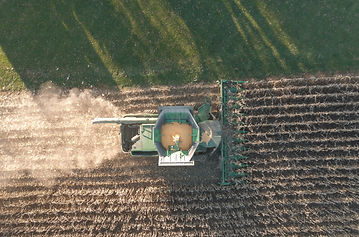
Top predators like eagles and polar bears face reproductive and health issues.
-
-
On Humans:
-
Consumption of contaminated fish and meat leads to neurological and developmental problems.
-
Solutions
-
Reduce Pollutant Use:
-
Phase out persistent chemicals in agriculture and industry.
-
-
Monitor Contamination:
-
Regularly test water and food sources for toxins.
-
-
Public Education:
-
Inform communities about the risks of consuming high-level predators.
-


Sewage Treatment

-
Primary Treatment: The first step in the process where large debris is removed and heavy particles are settled through physical means like screens and sedimentation tanks.
-
Secondary Treatment: The second stage, where biological processes (mainly microorganisms) break down remaining organic matter. This is done using aerated lagoons or activated sludge tanks.
-
Tertiary Treatment: The final treatment stage, which further removes pollutants using physical, chemical, or biological processes to produce high-quality effluent that can be safely discharged or reused.
-
Purpose of Sewage Treatment Plants: These plants remove pollutants and pathogens from wastewater to protect public health, prevent environmental pollution, and conserve water. They can also generate energy and produce biosolids for use as fertilizer.
-
Septic Tanks: Used in rural and remote areas, septic tanks treat wastewater through sedimentation and anaerobic digestion. Solid waste settles while the liquid flows to a drainage field. These systems require regular maintenance.
-
Groundwater Pollution: Pollutants like chemicals and pathogens can contaminate groundwater, leading to severe environmental and health consequences. Preventive measures like proper waste disposal and regular groundwater monitoring are essential.
-
The Clean Water Act: A U.S. federal law aimed at regulating pollutants in surface waters to protect water quality for public health and the environment.
-
The Safe Drinking Water Act: Ensures that public drinking water systems provide safe water by regulating contaminants and enforcing quality standards.
Lethal Dose 50% (LD50)
LD50 Definition: It is the amount of a chemical required to cause death in 50% of a test animal population. This measure helps to evaluate the toxicity of chemicals.
-
Examples of LD50: Different chemicals have varying LD50 values. For example:
-
Nicotine (50 mg/kg)
-
Caffeine (190 mg/kg)
-
Ethanol (7,000 mg/kg)
-
Importance of Studying LD50:
It helps compare the relative toxicity of chemicals, ensuring safety in their use across industries, agriculture, and consumer products. This data helps set exposure limits and regulatory standards.
Pollution and Human Health
Infectious diseases are a leading cause of death globally, especially in developing countries.
Factors contributing to disease spread:
-
Malnutrition: Increases vulnerability (e.g., cholera, measles).
-
Poor sanitation: Causes waterborne diseases like typhoid and dengue.
-
Lack of medical care: Prevents treatment of diseases like tuberculosis (TB).
Antibiotics and Drug-Resistant Pathogens:
-
Overuse leads to resistant pathogens like MRSA, MDR-TB, VRE, CRE, and resistant gonorrhea.
Climate Change and Disease Spread:
-
Vector-borne diseases: Warmer climates expand mosquito and tick ranges (e.g., malaria, dengue).
-
Waterborne diseases: Flooding spreads cholera and typhoid.
-
Respiratory illnesses: Heat increases allergens and pollutants.
Tropospheric Ozone:
-
Created by pollutants reacting with VOCs.
-
Health risks: Respiratory issues, crop damage.
-
Control: Reduce emissions, use public transport, promote energy efficiency.
