Atmospheric Pollution
Unit Seven
Introduction to Air Pollution
-
Primary Pollutants: Pollutants emitted directly from a source (e.g., CO, NO, SO2, VOCs, PM).
-
Secondary Pollutants: Pollutants formed when primary pollutants undergo chemical reactions (e.g., Ozone, Sulfuric Acid).
-
SOx, NOx, COx: Oxides of sulfur, nitrogen, and carbon.
-
Clean Air Act: U.S. legislation controlling air pollution.
-
Particulates: Tiny solid or liquid particles suspended in air.

Primary Pollutants:
-
Carbon Monoxide (CO): Produced by incomplete combustion; harmful to health (headaches, dizziness).
-
Nitrogen Oxides (NO, NO2): Emitted from burning fossil fuels; contribute to ozone and particulate matter.
-
Sulfur Dioxide (SO2): From burning coal/oil; leads to acid rain.
-
Volatile Organic Compounds (VOCs): Evaporate easily, form ground-level ozone.
-
Particulate Matter (PM10, PM2.5): Harmful to respiratory and cardiovascular health.
Secondary Pollutants:
-
Ozone (O3): Formed from NOx and VOCs in sunlight; respiratory irritant.
-
Sulfuric Acid (H2SO4), Nitric Acid (HNO3): Contribute to acid rain.
Sources of Air Pollution:
-
Coal and Fossil Fuels: Release CO2, SO2, metals (mercury, lead), and particulates.
-
Factories, Volcanoes, Campfires: Emit similar pollutants to coal and fossil fuels.
Air Quality and the Clean Air Act:
-
The Clean Air Act (1963) regulates emissions, reducing pollutants like lead, acid rain contributors, and ozone-depleting substances.
Photochemical Smog
-
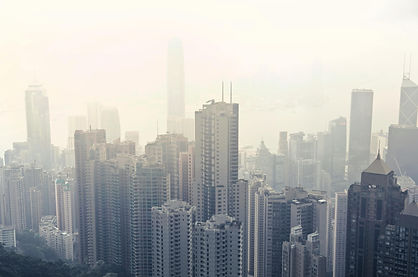
Photochemical Smog: Brown smog formed by sunlight reacting with NOx and VOCs.
-
Grey Smog (Industrial Smog): Formed from burning coal; associated with sulfur emissions.
-
Tropospheric Ozone: Harmful ozone layer in the lower atmosphere.
Formation of Photochemical Smog:
-
Emission of NOx and VOCs from vehicles, industries, and power plants.
-
Sunlight breaks nitrogen dioxide (NO2) into NO and free oxygen (O).
-
Free oxygen reacts with atmospheric oxygen (O2) to form ozone (O3).
-
VOCs react with NO, producing photochemical oxidants that trap O3, forming smog.

Characteristics:
-
Common in urban areas with traffic and industrial activity.
-
More prevalent in sunny, warm climates (e.g., summer).
Health and Environmental Impacts:
-
Ozone and PM: Cause respiratory problems (asthma, coughing, wheezing).
-
Economic Effects: Damage to crops and reduced agricultural yields.
-
Visibility and Aesthetic: Brown haze reduces visibility and harms natural beauty.
Mitigation Strategies:
-
Reducing vehicle emissions (catalytic converters, electric vehicles).
-
Using renewable energy sources.
-
Limiting industrial VOC emissions.
Thermal Inversion
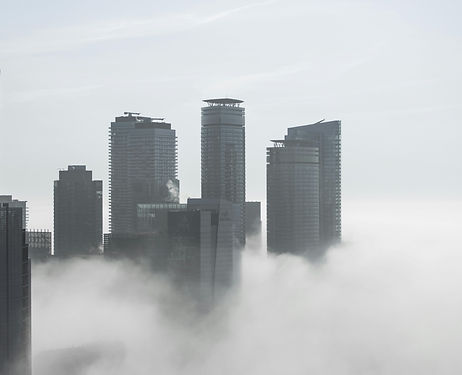
Thermal inversion occurs when a layer of warm air traps cooler air below it, reversing the typical atmospheric temperature gradient where air temperature decreases with altitude. This phenomenon disrupts normal air circulation patterns, creating a "cap" that traps pollutants and alters weather conditions.
Causes of Thermal Inversion
-
Geographical Features: Cities located in valleys or areas surrounded by mountains are more prone to thermal inversion. The topography prevents airflow, which allows warm air to accumulate and create a thermal blanket.
-
High-Pressure Systems: These systems often create calm and stable atmospheric conditions, preventing the mixing of air layers.
-
Nighttime Cooling: During the night, the earth's surface cools rapidly, especially in clear-sky conditions. The cooler surface chills the air above it, leaving a layer of warmer air aloft.
-
Oceanic Influence: Coastal regions can experience thermal inversions due to the cooling effects of the ocean, especially during the early morning hours.
Impacts of Thermal Inversion
-
Pollution Trapping:
-
Mechanism: Normally, rising warm air disperses pollutants. During an inversion, the warmer air above acts as a lid, trapping pollutants like car exhaust, industrial emissions, and wildfire smoke near the surface.
-
Health Effects: Exposure to concentrated pollutants can cause respiratory issues, aggravate asthma, and lead to long-term cardiovascular diseases.
-
-
Reduced Visibility: Smog forms when trapped pollutants mix with sunlight, creating hazy conditions.
-
Weather Alterations:
-
Clear skies due to suppressed cloud formation.
-
Ground frost or hoarfrost formation as the warm air layer prevents surface heat from escaping.
-
-
Urban Heat Island Effect: Cities experiencing thermal inversion may feel hotter and more uncomfortable due to the trapped warm air and pollutants.

Atmospheric CO₂ and Particulates
Carbon dioxide (CO₂) and particulate matter (PM) are key contributors to air pollution and climate change. While CO₂ is a greenhouse gas responsible for global warming, PM represents a mix of tiny particles that directly impact air quality and human health.
Carbon Dioxide (CO₂)
-
Sources:
-
Natural Sources: Volcanic eruptions, respiration, and aerobic decomposition of organic matter.
-
Anthropogenic Sources: Combustion of fossil fuels (coal, oil, and natural gas), deforestation, and industrial activities.
-
-
Role in the Greenhouse Effect:
-
CO₂ traps heat in the atmosphere, increasing the Earth's average temperature.
-
Excessive CO₂ emissions intensify global warming, leading to climate change effects like rising sea levels and extreme weather events.
-
-
Connection to Air Pollution:
-
Fossil fuel combustion also releases co-pollutants like sulfur dioxide and nitrogen oxides alongside CO₂, further worsening air quality.
-
Particulate Matter (PM)
Definition: PM refers to tiny particles suspended in the air, ranging from fine particles (PM2.5, smaller than 2.5 micrometers) to coarse particles (PM10, up to 10 micrometers).
-
Natural Sources:
-
Volcanic Eruptions: Release ash and dust into the atmosphere.
-
Wildfires: Emit smoke and soot that degrade air quality.
-
Dust Storms: High winds in arid regions lift large quantities of particulate matter.
-
Sea Spray: Introduces salt particles into coastal air.
-
-
Anthropogenic Sources:
-
Construction activities, industrial emissions, and vehicle exhaust contribute significantly to PM levels.
-
Domestic combustion of wood or coal for heating releases large amounts of PM into the air.
-
-
Health Impacts:
-
PM2.5 can penetrate deep into the lungs and enter the bloodstream, leading to respiratory and cardiovascular diseases.
-
PM exposure is linked to increased mortality from heart attacks, strokes, and lung cancer.
-
-
Environmental Effects:
-
PM can deposit on surfaces, affecting visibility and causing aesthetic damage (e.g., soiling buildings).
-
Black carbon, a PM component, accelerates glacier melting by reducing surface albedo.
-

Mitigation Strategies
-
For CO₂:
-
Transitioning to renewable energy sources like wind and solar.
-
Enhancing carbon capture and storage technologies.
-
Reforestation to absorb CO₂ from the atmosphere.
-
-
For PM:
-
Implementing stricter emission standards for vehicles and industries.
-
Encouraging the use of cleaner fuels and renewable energy.
-
Reducing open burning of agricultural waste and wildfires through better land management.
-

Indoor Air Pollutants
Indoor air pollutants are harmful substances present in the air inside buildings and homes. These pollutants can originate from tobacco smoke, building materials, household products, or outdoor air that infiltrates indoor spaces. Understanding their sources and effects is key to mitigating risks.
Carbon Monoxide - The Silent Killer
Source: Carbon monoxide (CO) is released during incomplete combustion processes, such as burning fossil fuels, using fireplaces, or running vehicles.
Mechanism: CO binds to red blood cells more effectively than oxygen, preventing oxygen from reaching tissues. This can lead to asphyxiation, causing dizziness, unconsciousness, or even death.
Prevention:
-
Open flues when using fireplaces.
-
Avoid running vehicles in enclosed spaces like garages.
-
Install CO detectors to monitor levels in your home.

Radon-222
Source: This radioactive gas is released as uranium decays in the Earth's crust. It can seep into basements and crawl spaces through soil or dissolve into well water.
Health Risks: Radon exposure, through inhalation or ingestion, is a significant cause of lung cancer. Cigarette smoke also contains radon, compounding the risk for smokers.
Prevention:
-
Test indoor spaces for radon levels.
-
Improve ventilation in basements.
-
Use radon mitigation systems if needed.

Asbestos
Source: Once popular for its fire-retardant properties, asbestos was used in insulation and ceilings.
Health Risks: Inhaling asbestos fibers can cause severe lung diseases, including cancer.
Prevention:
-
Hire certified professionals for asbestos removal or sealing.
-
Avoid disturbing materials that may contain asbestos.
Volatile Organic Compounds (VOCs)
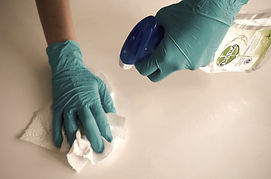
Source: VOCs are emitted by household items like furniture, carpets, and cleaning products. Common VOCs include formaldehyde, which is used in upholstery and often recognized by its distinct smell.
Health Risks: Prolonged exposure can cause respiratory issues, headaches, and allergic reactions.
Prevention:
-
Use low-VOC or VOC-free products.
-
Increase ventilation during and after using VOC-emitting products.
Sick Building Syndrome
Cause: Modern buildings are often sealed to conserve energy, which traps pollutants indoors. Common contributors include copier machine ozone and poor ventilation.
Symptoms: Headaches, fatigue, and respiratory issues.
Solutions:
-
Open windows to improve airflow.
-
Use indoor plants to absorb airborne chemicals.
-
Invest in air purifiers and ventilation systems.

Reduction of Air Pollutants
Regulations
Kyoto Protocol (1997): An international agreement targeting the reduction of greenhouse gases like CO₂, CH₄, and N₂O to combat global warming.
Paris Agreement (2016): Focuses on keeping global temperature increases below 2℃ by curbing carbon emissions and encouraging adaptation strategies.
Vehicle Emission Controls
Vapor Recovery Nozzles: These devices minimize VOC emissions at gas stations by capturing fuel vapors during refueling.
Catalytic Converters: Installed in vehicle exhaust systems, these devices convert toxic gases (e.g., CO, NOₓ) into less harmful substances like CO₂ and water vapor.


Industrial Reduction Methods
Wet Scrubbers: Use water or scrubbing liquid to remove particulates and gases from exhaust streams.
Dry Scrubbers: Employ dry reagents to neutralize or remove pollutants, leaving solid residues for collection.
Electrostatic Precipitators: Use electrical charges to capture particulates from flue gases, ensuring cleaner emissions.
Important Laws
-
Clean Air Act (U.S.): Sets air quality standards for pollutants and requires states to implement plans to meet these standards.
-
Montreal Protocol: Phases out ozone-depleting substances to protect the ozone layer and mitigate climate change.
-
EU Thematic Strategy on Air Pollution: Addresses pollution from industry, transport, and agriculture in Europe.
-
Beijing Action Plan: Targets urban pollution with measures like reducing car use and promoting clean energy.

Acid Rain
Acid deposition occurs when NOx (from vehicles, burning coal) and SO₂ (from burning coal, volcanoes) are released into the atmosphere. These gases can react with ammonia and return to the ground as nitric salts and sulfates in gas, particulate, or aerosol forms.
Acid precipitation occurs when NOx and SO₂ chemically react with water, forming nitric and sulfuric acids. These dissolve in rain or snow, falling as acid rain
Effects
Acid rain impacts areas far from its source due to wind carrying pollutants. It harms both living and non-living things:
-
Plants: Acid deposition damages leaves, reduces photosynthesis, and increases susceptibility to disease.
-
Soil: Acidic rain lowers pH, dissolving nutrients or releasing toxic metals like aluminum.
-
Water Bodies: Acidification of lakes and rivers harms aquatic life, affecting egg release and gill function.
-
Structures: Acid rain erodes statues and buildings, dissolving rocks like limestone and marble.
Mitigation
-
Reduce SO₂ and NOx emissions with cleaner technologies and fuel.
-
Use energy efficiently to minimize fossil fuel combustion.
-
Promote renewable energy sources like wind and solar.
-
Plant trees to absorb CO₂ and neutralize acidity.
-
Install scrubbers to remove pollutants from industrial emissions.
Noise Pollution
How Loud is Too Loud?
Noise pollution is often overlooked but causes physical and psychological stress:
-
Humans: Hearing loss begins at 85 dB. Prolonged exposure to 100 dB (e.g., construction) can cause permanent damage within 15 minutes.
-
Children: Long-term exposure reduces reading ability, increases hyperactivity, and affects speech development.
-
Adults: Noise raises blood pressure and impairs focus.

Mitigation
-
Set noise regulations for construction, factories, and transportation.
-
Use noise barriers, sound-absorbing materials, and low-noise pavement.
-
Promote quieter technologies like electric vehicles.
-
Encourage public transportation to reduce traffic noise.
-
Plant trees and vegetation to absorb and reflect sound.
Effects on Animals
-
Land Animals: Noise disrupts communication, causing birds to change songs and bats to struggle with echolocation.
-
Marine Life: Sound travels farther underwater, interfering with whale and dolphin communication. Propeller and sonar noises have forced some species to alter migration routes.