The Living World: Biodiversity
Unit Two
Introduction to Biodiversity
Biodiversity refers to the variety of life in all its forms, levels, and combinations, including ecosystem diversity, species diversity, and genetic diversity.
Genetic Diversity: Variations in genes within a species, important for adaptability and survival.
Diversity Indices: Measurements combining richness and evenness to gauge biodiversity, like the Shannon-Wiener Index and Simpson’s Index.
Importance of Biodiversity: Ecosystem resilience, productivity, and the ability to provide services such as food, medicine, and clean air.
Species Diversity: The number of different species within an ecosystem; high species diversity often increases ecosystem resilience.

Rainforests are known for having great biodiversity with high genetic, species, and ecosystem diversity, which contribute to ecosystem resilience, stability, and vital ecosystem services like clean air and medicinal resources.

-
Species Richness: The number of different species represented in a given community.
-
Species Evenness: The relative abundance of each species in a community.
-
Diversity Indices: Quantitative measures such as the Simpson's Diversity Index or Shannon-Weiner Index that combine species richness and evenness to assess biodiversity.
Species Richness and Evenness


Provisioning Services: Products obtained from ecosystems, such as food, water, timber, and fiber.
Regulating Services: Benefits ecosystems provide by regulating natural processes, such as climate regulation and water purification.
Cultural Services: Non-material benefits, such as recreation, aesthetic enjoyment, and cultural experiences.
Supporting Services: Fundamental services that support all other ecosystem functions, such as nutrient cycling and soil formation.
Ecosystem Services

Island Biogeography
Theory of Island Biogeography: Developed by Robert MacArthur and E.O. Wilson, it explains how species richness on islands is affected by immigration, extinction, island size, and distance from the mainland.
Larger islands tend to have more species due to more habitats and resources.
Islands closer to the mainland have higher rates of species immigration.
Habitat Fragmentation: Habitat islands are formed in landscapes fragmented by human activities (e.g., roads, agriculture). This leads to isolated populations, reduced genetic diversity, and higher risk of extinction.


For instance this the island would have less biodiversity than a larger island like Madagascar. One larger islands there is more area for species to live and reproduce.
Ecological Tolerance
Range of Tolerance: Every species has a range of environmental conditions (e.g., temperature, pH, salinity) within which it can survive and reproduce.
For instance penguins can survive in extremely cold temperatures due to their thick layer of blubber, dense waterproof feathers for insulation


Optimal Range: Conditions under which the species thrives.
Zone of Physiological Stress: Conditions in which the species survives, but experiences stress.
Zone of Intolerance: Conditions under which the species cannot survive.
Optimal Range: American alligators thrive in water temperatures between 82°F and 92°F, where they are most active and have optimal digestion and reproduction.
Zone of Physiological Stress: In water temperatures between 70°F and 82°F, alligators can survive but may experience stress, leading to decreased activity and slower growth rates.
Zone of Intolerance: At temperatures below 55°F or above 93°F, alligators cannot survive, as they become lethargic in colder temperatures and can suffer from heat stress in extreme heat.
Limiting Factors: Environmental variables that limit the survival, growth, or reproduction of organisms, such as water, light, and nutrients.

Natural Disruptions to Ecosystems
Types of Natural Disruptions: Volcanic eruptions, earthquakes, floods, and wildfires.
Frequency and Intensity: How often and how severe natural disturbances are can impact ecosystems and biodiversity.
Primary Succession: Occurs on barren landscapes where soil is initially absent (e.g., after lava flow).

Secondary Succession: Follows disturbances where soil remains (e.g., after a forest fire), leading to faster recovery.

Evolution and Adaptations

Evolution: Changes in the genetic makeup of populations over time due to factors like natural selection, mutation, and genetic drift.
Natural Selection: Process where individuals with favorable traits are more likely to survive and reproduce, passing on advantageous traits.
Adaptations: Characteristics that enhance an organism's ability to survive and reproduce, such as camouflage, mimicry, or physiological changes.
Peppered Moths in England:
-
Evolution: Over time, the genetic makeup of peppered moth populations changed in response to environmental conditions.
-
Natural Selection: During the Industrial Revolution, pollution darkened tree bark, making dark-colored moths less visible to predators. Dark moths, therefore, had a survival advantage and reproduced more than light-colored moths.
-
Adaptations: The darker coloration in moths became an adaptive trait that improved camouflage, allowing these moths to blend in with soot-covered trees and avoid predation.
Indicator and Invasive Species
Indicator Species: Species whose presence, absence, or abundance reflects a specific environmental condition, serving as early warning signs for ecosystem health
Invasive Species: Non-native species that spread and cause harm to native species, biodiversity, and ecosystems by competing for resources or introducing diseases.

Frogs are sensitive to water quality and environmental changes due to their permeable skin, so declines in frog populations can signal pollution or habitat degradation in aquatic ecosystems.

Native to Eastern Europe, zebra mussels were introduced to North America through ballast water in ships. They spread rapidly in freshwater systems, outcompeting native mussels, clogging water intake pipes, and altering aquatic ecosystems by filtering out large amounts of plankton, which disrupts the food chain and native species populations.
Endangered and Extinct Species

Endangered Species: Species at high risk of extinction, often due to habitat destruction, pollution, or overexploitation.
Amur Leopard: Critically endangered due to habitat loss from deforestation and poaching for its fur.
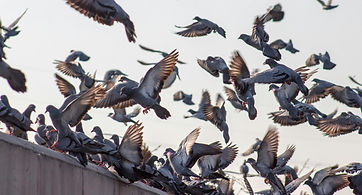
Extinction: The complete disappearance of a species; can occur due to both natural and anthropogenic causes.
Passenger Pigeon: Driven to extinction by overhunting and habitat loss in North America.
Human Causes of Extinction:


-
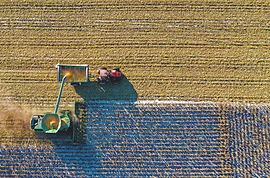
Habitat Loss: Deforestation, urbanization, and agriculture destroy or fragment natural habitats.
-
Overharvesting: Excessive hunting, fishing, and poaching reduce species populations.
-
Pollution: Contaminants degrade habitats and harm organisms.
-
Invasive Species: Compete with or prey on native species.
-
Climate Change: Alters habitats, affecting species distribution and survival.
Conservation of Biodiversity
Conservation Legislation: Laws like the Endangered Species Act (ESA) in the U.S. protect threatened species.

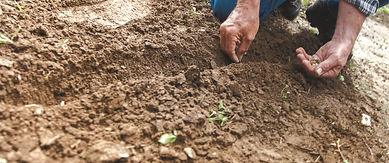
Conservation Strategies: Methods like captive breeding, habitat restoration, and wildlife corridors help increase population numbers and genetic diversity.
Protected Areas: National parks, wildlife reserves, and marine sanctuaries aim to preserve habitats and biodiversity.
