Land & Water Use
Unit Five
Focus: Exploring human activities shaping land and water resources, challenges in sustainable management, and strategies to balance human and environmental needs.
The Tragedy of the Commons
Tragedy of the Commons refers to a scenario where a shared resource is overused and degraded because individuals act in their own self-interest rather than considering the collective good.
Examples of Tragedies of the Commons:
-
Oceans:
-
Overfishing depletes fish populations and disrupts marine ecosystems.
-
Pollution (e.g., oil spills, plastic waste) harms aquatic life and damages ecosystems.
-
-
Air:
-
Industrial emissions and vehicle exhaust increase greenhouse gases, contributing to global warming and air pollution.
-
-
Freshwater:
-
Over-extraction of groundwater leads to aquifer depletion.
-
Pollution from agricultural runoff contaminates water supplies.
-
-
Game Animals:
-
Overhunting reduces population sizes, pushing species toward extinction.
-
-
Public Lands (e.g., National Parks):
-
Overuse and tourism lead to habitat destruction and littering.
-
Solutions to the Tragedy of the Commons:
-
Laws:
-
Governments can regulate resource use through quotas, permits, or protected areas (e.g., fishing limits or emissions caps).
-
-
Privatization:
-
Assigning property rights incentivizes individuals to sustainably manage their resources.
-
-
Education and Peer Pressure:
-
Raising awareness about the consequences of overuse and fostering community-driven conservation efforts can mitigate damage
-
Examples:
Halloween Candy : A bowl of candy left out for trick-or-treaters is quickly emptied when people take more than their share.
-
Laws: Limit each person to one piece with a “candy guard.”
-
Privatization: Distribute candy individually.
-
Education: Encourage fairness through awareness campaigns.
Ocean Fishing :
-
Laws: Impose fishing quotas and establish marine protected areas.
-
Privatization: Limit fishing rights within exclusive economic zones (200 miles from shore).


Clearcutting
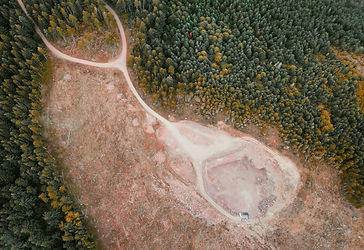
Clearcutting involves removing all trees from a specific area in one operation. This logging method is efficient and cost-effective but has severe environmental impacts, including:
-
Soil Erosion: Without tree roots to anchor soil, it becomes vulnerable to erosion, reducing land fertility and increasing sedimentation in waterways.
-
Habitat Loss: Wildlife reliant on forests lose their homes and food sources.
-
Climate Change:
-
Trees store carbon; clearcutting releases this carbon, contributing to global warming.
-
Loss of tree cover reduces air purification and increases atmospheric CO2.
-
-
Pesticide Use: Often used to remove underbrush, pesticides can harm non-target species and contaminate water supplies.
Sustainable Alternatives:
-
Selective Logging: Harvesting only specific trees reduces ecosystem disruption.
-
Patch Cutting: Removing small groups of trees allows forests to regenerate naturally.

The Green Revolution

The Green Revolution revolutionized agriculture in the mid-20th century, introducing advanced techniques to address food shortages and increase crop yields.
Key Features:
-
High-Yield Varieties (HYVs): Genetically modified crops (e.g., wheat, rice) resistant to pests and diseases.
-
Chemical Fertilizers and Pesticides: Boosted crop growth but had environmental downsides, including soil degradation and water pollution.
-
Irrigation: Improved water delivery systems enhanced agricultural productivity.
-
Mechanization: Modern machinery increased efficiency but reduced reliance on traditional farming methods.
Drawbacks:
-
Environmental harm from pesticide and fertilizer overuse.
-
Soil salinization from irrigation.
-
Reduced biodiversity and loss of traditional farming practices.

Benefits:
-
Alleviated hunger for millions globally.
-
Increased food production and agricultural profits.

Impacts of Agricultural Practices
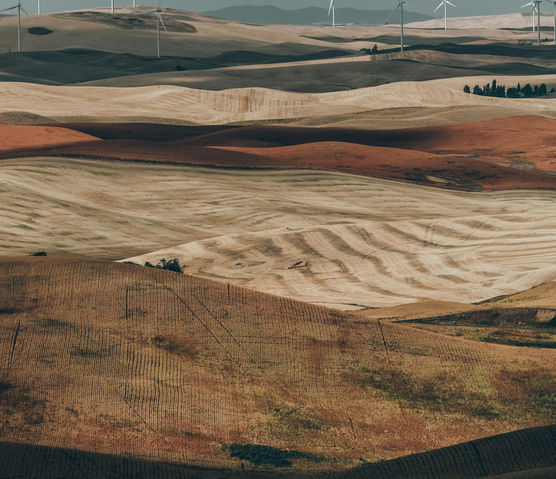
Common Practices and Their Effects:
-
Slash-and-Burn:
-
Pros: Clears land quickly for agriculture.
-
Cons: Releases carbon, destroys habitats, and depletes soil nutrients.
-
-
Tilling:
-
Pros: Aerates soil and facilitates planting.
-
Cons: Increases soil erosion and disrupts microbial ecosystems.
-
-
Fertilizers:
-
Pros: Enhances soil fertility and boosts crop yields.
-
Cons: Leads to eutrophication, causing algal blooms and aquatic die-offs.
-
-
Pesticides:
-
Pros: Reduces crop losses from pests.
-
Cons: Harms non-target species, including pollinators like bees, and poses health risks to humans.
-
Irrigation Methods
Types of Irrigation:
-
Spray Irrigation:
-
Sprays water over fields; more efficient than flood irrigation but prone to evaporation losses.
-
-
Flood Irrigation:
-
Inundates fields with water; wasteful and environmentally unfriendly.
-
-
Furrow Irrigation:
-
Trenches between rows of crops direct water to roots; cost-effective but results in water loss.
-
-
Drip Irrigation:
-
Delivers water directly to roots via hoses; highly efficient but expensive to install.
-


Challenges:
-
Salinization: Water evaporation leaves salts in the soil, harming plants.
-
Aquifer Depletion: Overuse of groundwater threatens long-term water supplies.
Pest Control Methods
Pest control is essential for protecting crops, preventing the spread of disease, and maintaining food security. However, these methods often come with significant environmental trade-offs.
Pesticides
Chemicals like insecticides, herbicides, and fungicides eliminate pests.
-
Benefits:
-
Reduces crop loss and increases food production.
-
Effective and fast-acting.
-
-
Drawbacks:
-
Can harm non-target species, like pollinators (e.g., bees and butterflies).
-
Pests can develop resistance over time, requiring stronger or more frequent applications (e.g., pesticide treadmill).
-
Contaminates soil and water through runoff.
-
Biological Control:
Uses natural predators, parasites, or pathogens to manage pests.
-
Examples:
-
Ladybugs controlling aphids.
-
Parasitic wasps targeting caterpillars.
-
-
Benefits:
-
Environmentally friendly and sustainable.
-
Reduces reliance on chemicals.
-
-
Drawbacks:
-
Introduced species can become invasive and disrupt ecosystems (e.g., cane toads in Australia).
-
Integrated Pest Management (IPM):
-
Combines multiple methods, focusing on long-term pest control while minimizing environmental harm.
- Benefits:
-
Reduces chemical use and environmental impact.
-
-
Encourages sustainable farming practices.
-
Drawbacks:
-
Labor-intensive and requires specialized knowledge
-
-
Environmental Impacts of Pesticides:
-
Bioaccumulation and Biomagnification:
-
Pesticides like DDT accumulate in organisms and increase in concentration as they move up the food chain, harming apex predators like eagles and orcas.
-
-
Non-Target Species Harm:
-
Pesticides can kill beneficial insects, disrupt pollination, and reduce biodiversity.
-
-
Water Contamination:
-
Runoff introduces pesticides into waterways, affecting aquatic ecosystems and human drinking water supplies.
-
Meat Production Methods
Meat production has evolved significantly to meet the demands of a growing global population. While it plays a crucial role in food security and economies, these methods come with environmental, ethical, and economic considerations.
Concentrated Animal Feeding Operations (CAFOs)
CAFOs are industrial farming systems designed to maximize efficiency by raising large numbers of animals in confined spaces.
How CAFOs Work:
-
Animals (e.g., cows, pigs, poultry) are kept in confined areas.
-
Feeding and housing are optimized to produce the highest yield per acre.
-
Waste from animals is managed through lagoons or pits, which often enter water supplies if not managed correctly.


Free-Range Farming
Free-range farming allows animals to roam freely, providing a more natural and humane environment.
Characteristics:
-
Animals graze on open pastures with minimal confinement.
-
Farms avoid or minimize the use of antibiotics.
-
Products are often labeled “organic” or “free-range” in stores.
Environmental Impacts of Meat Production
-
Overgrazing:
-
Occurs when animals consume vegetation faster than it can regrow, leading to:
-
Soil Erosion: Loss of topsoil needed for plant growth.
-
Desertification: In arid regions, overgrazing can turn fertile land into deserts.
-
-
-
Greenhouse Gas Emissions:
-
Livestock farming is a major contributor to methane (CH₄) and nitrous oxide (N₂O) emissions, accelerating climate change.
-
-
Water Use:
-
Meat production requires significant water resources (e.g., 1,800 gallons of water to produce 1 pound of beef).
-

-
Definition: Catching too many fish at once depletes populations and affects their ability to reproduce.
-
Causes:
-
Inadequate regulations or quotas.
-
Unsustainable fishing practices.
-
Rising demand for fish as food.
-
-
Impacts:
-
Reduced fish populations and biodiversity.
-
Disrupted marine ecosystems.
-
-
Solutions:
-
Implement catch and size limits.
-
Promote sustainable fishing practices.
-


Impacts of Overfishing
Aquaculture

-
Types of Aquaculture:
-
Freshwater Aquaculture: Raising species in ponds or tanks.
-
Marine Aquaculture: Farming species in saltwater, such as ocean cages.
-
-
Benefits:
-
Efficient food production.
-
Restocks endangered or depleted fish populations.
-
Boosts local economies.
-
Definition: Controlled farming of aquatic species (fish, plants, mollusks, crustaceans) in freshwater or saltwater environments.
-
Concerns:
-
Waste can harm ecosystems (eutrophication).
-
Disease transmission due to dense populations.
-
Escaped farmed fish can alter the genetic diversity of wild populations.
-
-
Impacts of Mining
-
Definition: Extraction of valuable minerals that can harm ecosystems.
-
Techniques:
-
Open-pit mining: Removes surface layers, less invasive.
-
Underground mining: For deeper minerals, more costly and complex.
-
Heap leaching: Extracts minerals using chemicals.
-
Strip mining: Extracts near-surface minerals like coal.
-
-
Mining Waste:
-
Overburden, tailings, and waste rock can contain toxic substances like heavy metals.
-
Impacts include soil and water contamination, habitat destruction, and worker hazards.
-

Urbanization
Impacts for Urbanization
Methods to Reduce Urban Runoff

Rainwater flows over impermeable urban surfaces, carrying pollutants into water bodies.
-
Impact:
-
Reduced groundwater.
-
Pollutants harm aquatic life and water quality.
-
Causes erosion and flooding.
-
-
Mitigation:
-
Permeable pavement, green roofs, rain gardens.
-
Vertical construction to save land space.
-
Increased population in cities changes land use and ecosystems.
-
Effects on Cycles:
-
-
Water: Less absorption, more runoff.
-
Nitrogen: Alters soil composition and plant growth.
-
Carbon: Deforestation and burning fossil fuels increase CO₂.
-
-
Urban Sprawl: Unplanned city growth harms water, habitats, and waste systems.
-
Mitigation:
-
Green spaces, energy-efficient structures, and public transport investment.
-
Ecological Footprints
Definition: Measures human environmental impact through resource use and pollution.
-
Key Factors: Transportation, diet, energy use, and consumption habits.
-
Comparison:
-
Individuals (e.g., biking, vegetarian diets) vs. corporations (e.g., CO₂ emissions, deforestation).
-
-
Sustainability: Living beyond ecological limits leads to resource depletion.

Sustainability
Intro to Sustainability
-
Definition: Using resources responsibly to conserve them for future generations.
-
Key Factors: Biodiversity, population control, resource consumption, greenhouse gases, and food production.
Sustainable Agriculture
-
Definition: Practices that maintain soil fertility, water quality, and ecosystem health.
-
Principles:
-
Efficient resource use.
-
Reduced reliance on chemical inputs.
-
Biodiversity conservation.
-
Sustainable Forestry
-
Definition: Responsible management of forests to balance economic, social, and environmental needs for present and future generations.
-
Provides timber, clean water, and wildlife habitats.
-
Mitigates climate change by absorbing carbon dioxide.
-
Key Practices:
-
Reforestation, Reuse of Wood and Prescribed Burns
-

