Energy Resources & Consumption
Unit Six
Renewable and Nonrenewable Resources
Nonrenewable Energy:
Finite resources such as fossil fuels (oil, coal, natural gas, petroleum) and nuclear power. While they are cost-effective and readily available, they contribute significantly to environmental degradation and are not replenishable in a human lifetime.
Renewable Energy:
Includes wind, solar, hydroelectric, and biomass. These sources are sustainable, reduce greenhouse gas emissions, and are becoming more affordable globally.
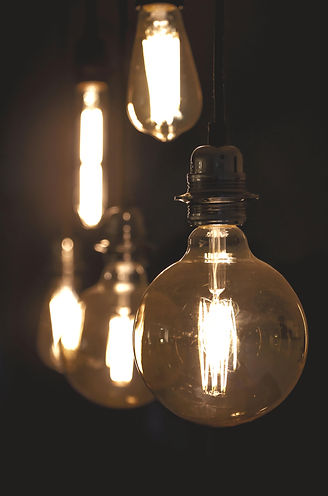

Global Energy Consumption
-
Energy usage varies by country, with developed nations consuming more per capita than developing nations. For instance:
-
Average U.S. carbon footprint: 19.8 tonnes/person.
-
Average Chinese carbon footprint: 4.6 tonnes/person.
-
-
Fossil fuels remain the primary source of global energy due to their cost and availability.
-
Developing nations rely heavily on biomass due to its accessibility and low cost.
-
Hydropower and nuclear power are secondary contributors, but both have limitations (e.g., environmental impacts, costs, and resources).


Fossil Fuels

Fossil fuels are non-renewable energy sources formed from the remains of plants and animals over millions of years. They are the primary source of energy for electricity and transportation but have significant environmental consequences.
Types of Fossil Fuels
-
Coal
-
Formed from decomposed plants.
-
Composition: Carbon, hydrogen, and water.
-
-
Oil (Petroleum)
-
Formed from aquatic organisms under heat and pressure.
-
Composition: Carbon and hydrogen.
-
-
Natural Gas
-
Formed from organic matter trapped beneath sedimentary layers.
-
Composition: Mainly methane (CH₄).
-
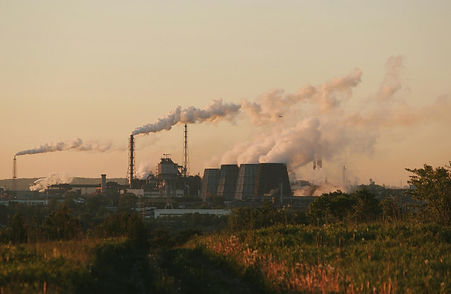
Combustion of Fossil Fuels
-
Combustion: Reaction of fuel with heat and oxygen, releasing energy.
-
Complete Combustion: Produces water vapor and carbon dioxide (non-toxic).
-
Incomplete Combustion: Produces pollutants like carbon monoxide.
Environmental Impacts
-
Coal
-
Produces CO₂, nitrogen oxides, and sulfur dioxide.
-
Causes acid rain: Toxic precipitation from atmospheric pollutants.
-
-
Oil
-
Releases greenhouse gases (e.g., carbon monoxide).
-
Risk of oil spills harming marine life.
-
-
Natural Gas
-
Emits methane, a potent greenhouse gas.
-
Hydraulic Fracturing (Fracking)
-
Process of drilling to extract oil and natural gas.
-
Steps:
-
Steel and cement pipes pump fluid to open fractures.
-
Sand holds fractures open, enabling oil and gas extraction.
-
-
Risks:
-
Contaminates drinking water.
-
Releases methane.
-
Triggers earthquakes.
-
Damages ecosystems.
-

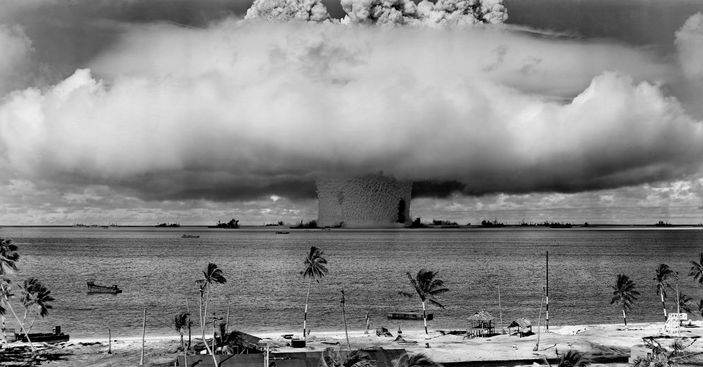
Nuclear Power
Nuclear energy is generated through nuclear fission or fusion, primarily using the radioactive element uranium. While considered a cleaner energy source, it is non-renewable and poses significant risks.
Process of Nuclear Power
-
Nuclear Fission
-
Uranium-235 atoms are split by neutrons, releasing heat and energy.
-
A chain reaction occurs, controlled by rods that limit neutrons.
-
Heat boils water, producing steam that spins turbines to generate electricity.
-
-
Nuclear Fusion
-
Combines smaller atoms (e.g., hydrogen) to form helium and release energy.
-
Powers stars like the Sun.
-
-
Environmental Impacts
-
Radioactive waste remains hazardous for long periods.
-
Risk of groundwater contamination.
-
Thermal pollution impacts aquatic ecosystems.

Energy from Biomass


Biomass energy involves burning organic materials such as wood, garbage, crops, landfill gas, and alcohol fuels to produce heat, which is then converted into electricity. As waste materials are produced continuously, biomass is considered renewable and has supported energy needs for centuries, particularly in areas lacking advanced energy technologies.
-
Biomass Sources: Organic materials like wood, agricultural residues, and municipal waste.
-
Renewability: Depends on sustainable harvesting practices; overuse of forests without allowing regrowth can lead to deforestation.
-
Applications:
-
Ethanol, derived from biomass, can substitute gasoline.
-
Ethanol is carbon-neutral but has a low energy return on investment.
-
Benefits:
-
Widely available globally.
-
Considered carbon-neutral.
-
Supports energy needs in remote or underserved areas.
Drawbacks:
-
Produces pollutants like carbon dioxide, carbon monoxide, and particulates.
-
Overharvesting can cause deforestation and loss of biodiversity.
-
Sustainable implementation can be costly.
Solar Energy
Solar energy is harnessed from the sun’s light and heat using photovoltaic (PV) cells, which convert sunlight into electricity. PV cells, made from purified silicon and trace metals, act as semiconductors. When sunlight photons hit these cells, they dislodge electrons, creating an electrical circuit that generates electricity.

Key Points:
-
Photovoltaic Cells:
-
Convert sunlight into electricity.
-
Connected to an electrical grid to increase energy output.
-
-
Efficiency:
-
Operates best with consistent sunlight.
-
Limited functionality during nighttime or overcast weather.
-
-
Renewable: The sun will continue to emit energy for billions of years.
Benefits:
-
Produces no CO2 emissions or waste.
-
Reduces electricity bills over time.
-
Can be implemented in urban and rural areas.
-
Renewable and widely available.
Drawbacks:
-
Limited efficiency under specific weather conditions.
-
High initial installation costs.
-
Production of PV cells depends on fossil fuels.
-
Requires a storage system for unused electricity.
Hydroelectric Power
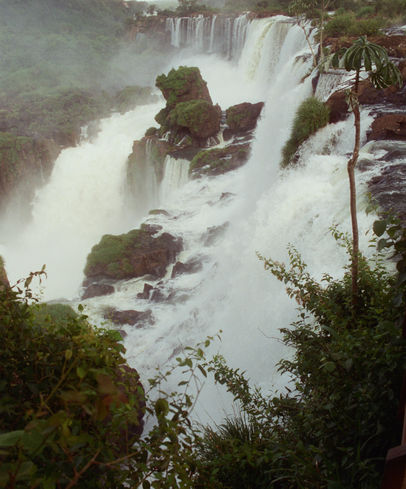
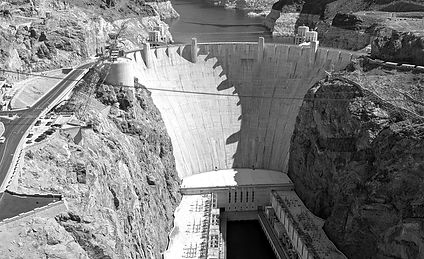
Hydroelectric power is generated by the movement of water, typically through turbines, which convert the kinetic energy of flowing water into electricity. There are two main ways to produce hydroelectric power: through dams and tidal waves.
Dams: Water from rivers is stored in a reservoir. When released, it flows through a pipe, falling to a lower elevation, generating kinetic energy. This energy turns a turbine connected to a generator, which produces electricity.
Benefits
-
Renewable and widely available
-
Provides flood control and irrigation
-
Does not release chemical or gas pollutants
-
Can generate large amounts of energy
-
Helps manage water resources
Drawbacks
-
Can be costly to build
-
Sedimentation buildup behind dams
-
Human displacement and disruption of indigenous land
-
Ecosystem destruction and fish migration blockages
Important Dams to Know:
-
Hoover Dam: Provides flood control, irrigation, and hydroelectric power.
-
Grand Coulee: Largest hydroelectric power producer in the USA.
-
Three Gorges Dam: Controls floods and provides power but causes environmental damage downstream.
Geothermal Energy
Geothermal energy harnesses the heat from beneath the Earth's surface to produce electricity and provide heating and cooling. Geothermal power plants tap into underground reservoirs of hot water or steam.
-
Hot water or steam is brought up from the Earth's interior through a well.
-
The pressure drop converts the hot water into steam, which spins a turbine connected to a generator to produce electricity.
-
The steam is cooled, condensed back into water, and pumped back into the Earth to repeat the process.
Drawbacks
-
Expensive to build and maintain
-
Limited to regions with geothermal activity
-
Release of hydrogen sulfide and methane gases can occur
Benefits
-
Does not produce pollutants during operation
-
Does not harm land or habitats
-
Can provide both electricity and heating
-
Sustainable and renewable


Wind Energy
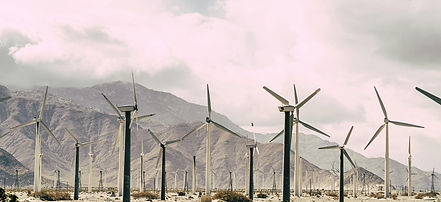
Wind energy captures the kinetic energy of moving air through wind turbines. As the wind turns the blades of the turbine, mechanical energy is converted into electricity.
-
Wind turbines have large blades that rotate when the wind blows.
-
The rotation of the blades turns a generator, producing electricity.
-
Wind energy can be stored using various methods such as electrical batteries, compressed air, hydrogen fuel cells, or pumped storage.
Benefits
-
Renewable, clean energy that produces no emissions
-
Cost-effective and increasingly competitive with fossil fuels
-
Can create jobs in manufacturing, installation, and maintenance
-
Can be located inland or offshore
Drawbacks
-
Intermittent and dependent on weather conditions
-
Environmental impact, including noise and visual pollution
-
Harm to wildlife, particularly birds and bats
-
Limited by location, requiring areas with strong winds
Energy Conservation
Energy conservation refers to using energy efficiently to minimize the amount required to perform a task. It is critical because the world's energy resources, especially fossil fuels, are finite, and global energy demand is increasing. By conserving energy, we can reduce reliance on non-renewable sources, mitigate climate change, and protect the environment.
Reasons for Energy Conservation:
-
Limited energy resources: Fossil fuels and other non-renewable energy sources are not infinite. Conserving energy helps extend their availability.
-
Environmental impact: The extraction and use of energy contribute to environmental harm, such as greenhouse gas emissions and air pollution. Energy conservation reduces these negative effects.
-
Cost savings: Efficient energy use can save money on energy bills for individuals and households.
-
National security: Reducing reliance on foreign energy sources can strengthen national security and increase energy independence.
-
Economic growth: Energy conservation can lower energy costs, fostering economic growth and creating jobs in the energy efficiency and renewable sectors.
Types of Energy Conservation:
-
Local Conservation: This can be achieved at the household or regional level through simple changes in daily habits, such as:
-
Taking shorter showers
-
Replacing incandescent light bulbs with LEDs
-
Using insulation and double-pane windows to reduce heat loss
-
Upgrading to energy-efficient appliances These actions can reduce energy consumption by 25%, resulting in lower utility bills and a cleaner environment.
-
-
Regional Conservation: This involves regulations and collective action to promote energy efficiency across broader regions:
-
Energy-efficient building codes: Implementing standards for new buildings and renovations to reduce energy consumption.
-
Encouraging public transportation: Investing in public transit infrastructure to reduce dependence on private vehicles.
-
Incentivizing energy-efficient appliances: Offering subsidies or incentives for energy-efficient products to reduce consumption.
-
